
Things No One Tells You About Pet Loss — and How to Cope
Things No One Tells You About Pet Loss — and How to Cope
There are many things people say about losing a pet.
They tell you it takes time.
They tell you your pet knew they were loved.
They tell you healing will come eventually.
But there are also quieter parts of grief that people rarely talk about — the moments that catch you off guard long after the initial loss.
The silence in the house.
The routines that suddenly hurt.
The instinct to look for them before remembering they’re gone.
Pet loss changes daily life in ways many people don’t fully understand until they experience it themselves.
If you’re grieving a dog or cat right now, you are not alone in these feelings.
The Quiet Can Feel Overwhelming
One of the hardest things after losing a pet is often the silence.
You may miss the sound of paws on the floor, tags jingling through the house, barking during storms, or simply the comfort of hearing them nearby.
Many grieving pet parents say the quiet feels heavier than they expected.
Our homes learn their rhythms too. When those familiar sounds disappear, the emptiness can feel incredibly noticeable.
Everyday Routines Can Suddenly Hurt
Grief often hides in ordinary moments.
You may still reach for the leash before realizing you no longer need it. You might wake up expecting to feed them, glance toward their favorite spot on the couch, or instinctively listen for them at the door.
These moments can feel painful because pets become deeply woven into our routines and sense of comfort.
The loss is not only emotional — it’s woven into daily life.
Grief Can Return in Waves
Many people expect grief to steadily “improve” over time.
But pet loss often comes in waves.
Some days may feel manageable, while others suddenly feel incredibly emotional again — sometimes months or years later. A photo, familiar smell, season, or memory can bring everything rushing back unexpectedly.
This does not mean you are grieving incorrectly.
It means your bond with them mattered deeply.
You May Feel Misunderstood
One of the loneliest parts of pet grief can be feeling like others don’t fully understand the depth of the loss.
Some people may minimize the grief because “it was a dog” or “just a cat.” But anyone who has loved a pet knows they are family, companions, emotional support, routine, comfort, and unconditional love all wrapped into one presence.
Your grief is real, and it deserves compassion.
Small Things Can Become Emotional
People often expect big milestones to be hard, but grief also appears in quiet moments:
-
Finding fur on an old blanket
-
Hearing a sound that reminds you of them
-
Seeing their favorite toy
-
Looking at an empty food bowl
-
Passing the park you used to visit together
Sometimes it’s the smallest reminders that hurt the most because they were once such ordinary parts of life.
Gentle Ways to Cope With Pet Loss
There is no perfect way to move through grief, but there are small things that can help bring comfort.
Allow Yourself to Grieve Fully
There is no timeline for pet loss. Your emotions are valid, whether your loss happened recently or years ago.
Talk About Them
Sharing stories, photos, and memories can help keep their presence close and remind you that their life mattered.
Create Meaningful Memorials
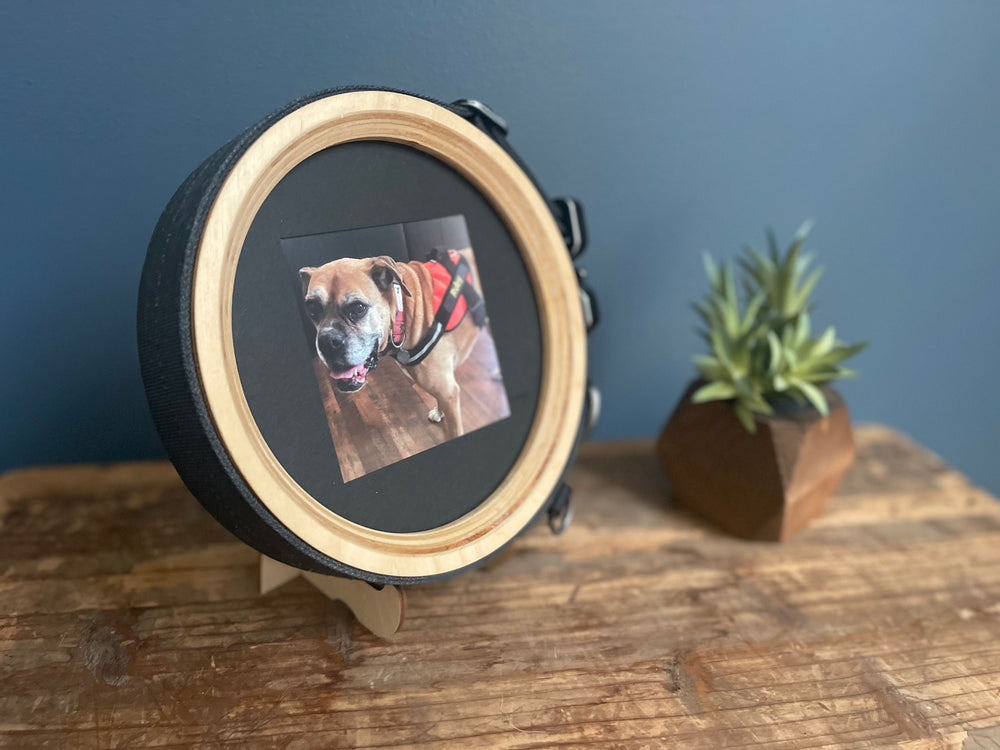
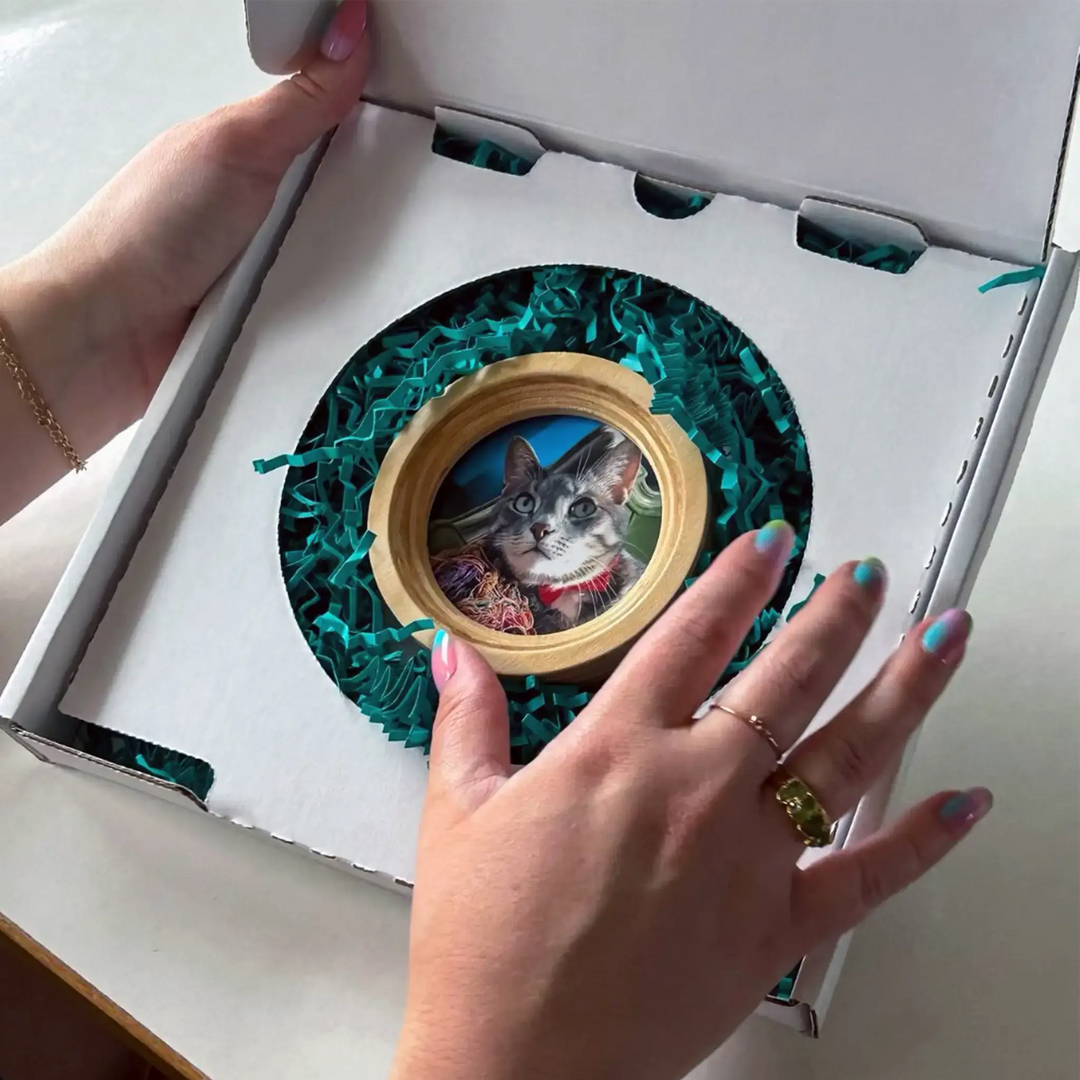
Some people find comfort in framing a collar, displaying a paw print, creating a memorial shelf, planting flowers, or lighting a candle in remembrance.
Small rituals can help love feel visible again.
Seek Support
Connecting with people who understand pet grief can make a huge difference. Whether through close friends, online support groups, or pet loss resources, you do not have to carry grief alone.
Love Leaves Lasting Paw Prints
One of the most difficult parts of pet loss is realizing how deeply they shaped everyday life.
Not just the big moments — but the tiny ones too.
And while grief can feel overwhelming at times, those emotions also reflect the depth of the bond you shared.
Because love does not disappear when a pet is gone.
It simply changes shape and becomes part of the memories, routines, and quiet moments they left behind. 🤍


Leave a comment