
How to Support Someone Grieving the Loss of a Pet
How to Support Someone Grieving the Loss of a Pet
When someone loses a beloved pet, many people want to help but aren't always sure how.
They worry about saying the wrong thing. They try to make the person feel better. Or sometimes they unintentionally minimize the loss without realizing how deeply painful it can be.
For pet parents, the loss of a dog, cat, horse, or other cherished companion is often the loss of a family member, best friend, daily routine, and source of unconditional love all at once.
If someone you care about is grieving the loss of a pet, your support matters more than you may realize.
Recognize That Their Grief Is Real
One of the most helpful things you can do is simply acknowledge that their pain is real.
Pet loss grief can be just as intense as the loss of a human loved one. Yet many grieving pet parents feel pressure to "move on" quickly because others don't fully understand the bond they shared.
You don't have to fully understand their relationship with their pet to recognize that they are hurting.
Simple statements such as:
-
"I'm so sorry for your loss."
-
"I know how much they meant to you."
-
"They were so lucky to have you."
-
"I'm thinking about you."
can provide tremendous comfort.
What Not to Say
Even well-intentioned comments can sometimes feel hurtful to someone who is grieving.
Try to avoid phrases like:
-
"It was just a dog."
-
"You can always get another pet."
-
"At least they lived a long life."
-
"Everything happens for a reason."
-
"You need to move on."
While these comments are usually meant to help, they can unintentionally make someone feel that their grief is being dismissed.
Instead of trying to fix their pain, focus on acknowledging it.
Listen More Than You Talk
Many grieving pet parents simply want someone who will listen.
They may want to tell stories about their pet, talk about the circumstances surrounding their loss, or share favorite memories.
You don't need to have the perfect words.
Often, the most meaningful support comes from simply saying:
"I'd love to hear about them."
Giving someone space to remember their pet can be incredibly healing.
Offer Practical Help
Grief can make everyday tasks feel overwhelming.
Depending on your relationship, practical support can be a meaningful gift.
You might:
-
Bring over a meal.
-
Send a care package.
-
Help with household tasks.
-
Watch children for a few hours.
-
Check in regularly during the following weeks.
Small gestures often make a lasting impact.
Consider a Thoughtful Sympathy Gift
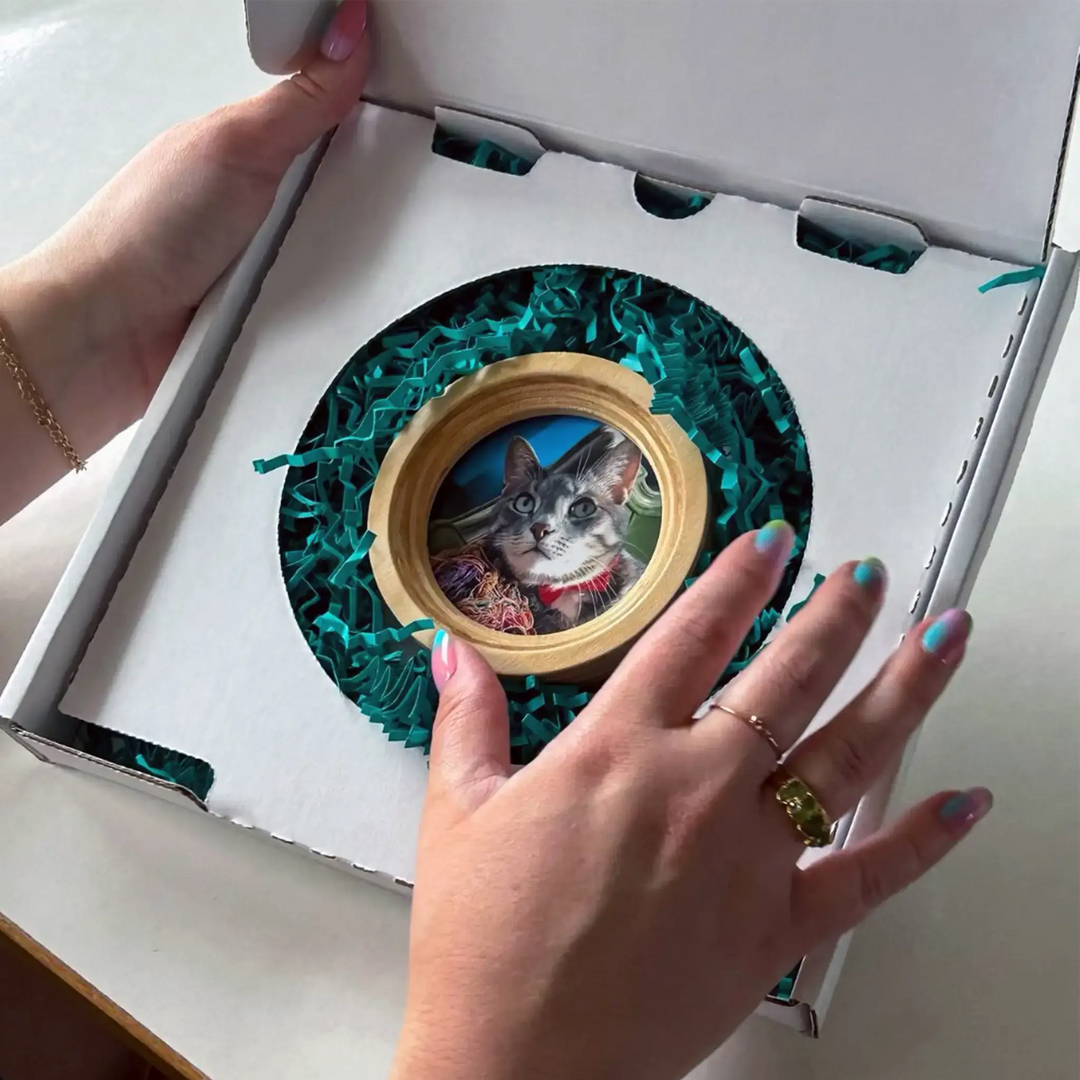
A meaningful gift can remind someone that their pet's life mattered and that they are not alone in their grief.
Some thoughtful ideas include:
-
A handwritten sympathy card
-
A donation to an animal rescue in the pet's name
-
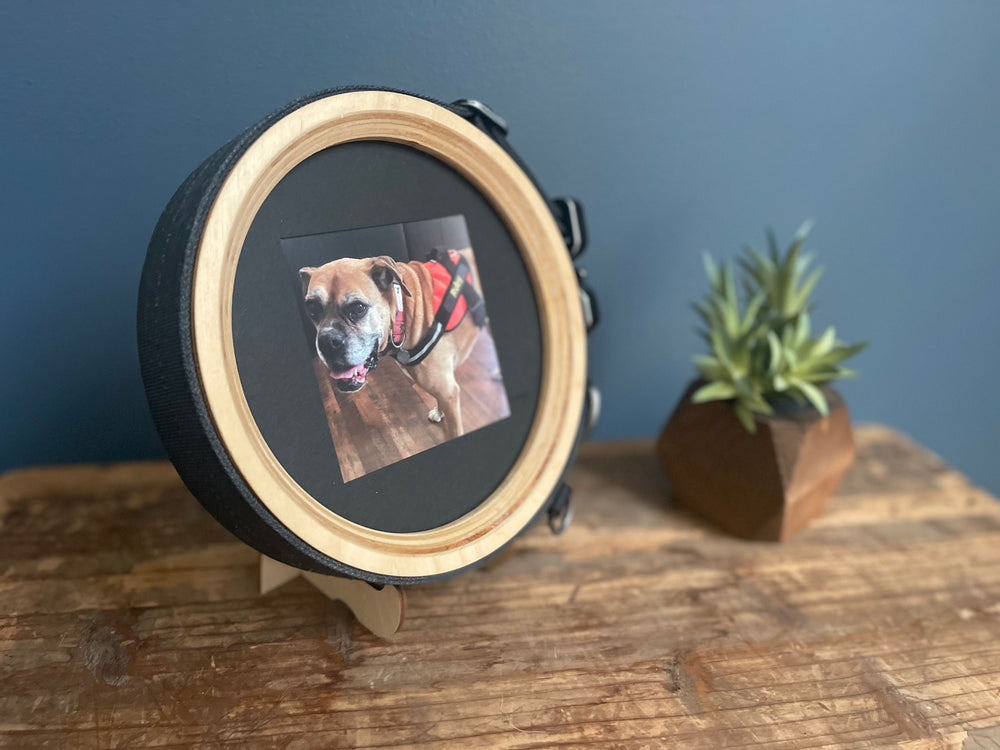
A framed photo
-
A memorial garden stone
-
A custom portrait
-
A memory journal
The most meaningful gifts are often the ones that acknowledge the unique bond that existed between the pet and their family.
Remember Them After the First Few Weeks
One of the hardest parts of grief is that support often fades long before the pain does.
Many people receive messages and condolences immediately after a loss. But a month later, the world has largely moved on while they are still grieving.
Set a reminder to check in.
Send a text.
Share a photo memory.
Mention their pet by name.
These simple acts can mean more than you realize.
You Don't Need the Perfect Words
Many people avoid reaching out because they are afraid of saying the wrong thing.
The truth is that perfect words aren't necessary.
A sincere message, a listening ear, or a simple acknowledgment of someone's loss can provide tremendous comfort during one of the most difficult seasons of their life.
If someone you care about is grieving the loss of a beloved pet, don't worry about finding the perfect response.
Just show up.
Your presence, compassion, and kindness may be exactly what they need.


Leave a comment